Pineal gland activation
Pineal gland Activation is crucial to awakening spiritually and becoming a more enlightened being.
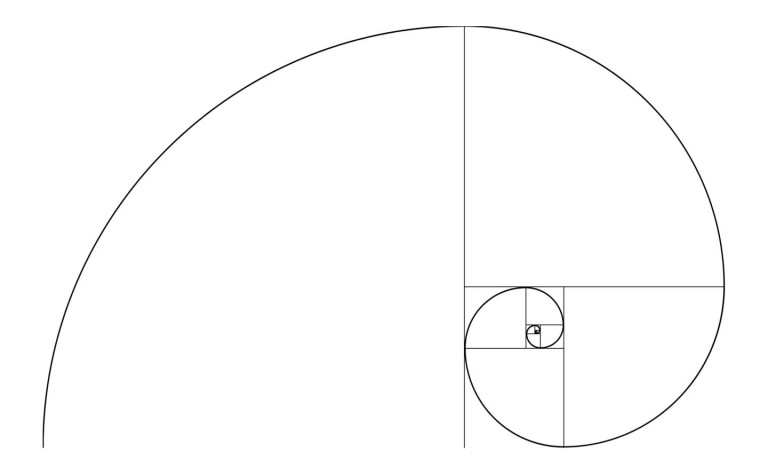
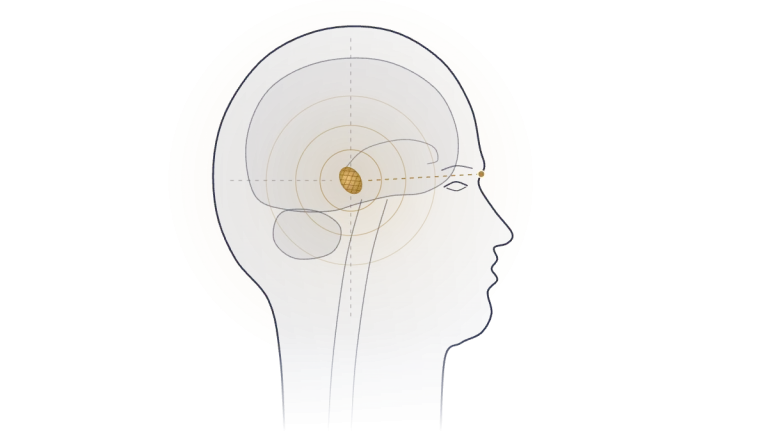
The pineal gland is a small endocrine gland located in the centre of the cranium (vertebrate brain) at eye level. As the name suggests, the pineal gland is the shape of a pine cone, which is significant given the implication of Fibonacci sequence. The Pineal gland is referred to as the third eye in metaphysics and by some eastern religions. It is represented by the colour indigo.
Descartes (French philosopher, mathematician, and writer) referred to the pineal gland as the “principal seat of the soul”.
The pineal gland is known to produce melatonin, which regulates sleep and seasonal patterns, but modern medicine is still yet to understand its full secretion potential. It has been said by many modern mystics that Pineal gland activation can produce the level of DMT (dimethyltryptamine) required that can induce psychedelic visions including (but not limited to) encounters with inter dimensional beings. This means that Pineal gland activation aids in our ability to access the astral layer of the aura. There is conjecture within the scientific community that massive releases of DMT are the cause of NDE (near death experience).
The pineal gland usually becomes calcified by around the age of seventeen for those of us living in today’s modern society, but this process may be reversed through a process of purification.
Pineal gland activation tips
Reduce / eliminate the ingestion of all toxins, especially fluoride and mercury.
Add raw chocolate to your diet (raw cacao is a pineal gland stimulant) and eat organic wherever possible.
Pineal gland activation meditation – focus on the physical location of the pineal gland with healing intention. Focus your intention on purification. Visualise the pine cone covered in a substance similar to dental plaque, and your intention as the tool that picks away – exposing the geometrically perfect formation. Repeat.
If you have any other tips feel free to share in the comments below.
What the pineal gland actually does
Before going any further it is worth separating what is known from what is believed, because this topic attracts a lot of both.
Anatomically, the pineal gland is about the size of a grain of rice and sits deep in the brain between the two hemispheres. Its confirmed job is to make melatonin, the hormone that tells the body it is night. Light reaching the retina is relayed to the pineal gland, which suppresses melatonin during the day and releases it after dark. That is why screens late at night disturb sleep, and why a walk in morning sunlight helps reset a body clock that has drifted. In some animals, lizards and certain fish among them, a related structure sits near the surface of the skull and is directly light sensitive, which is one reason the third eye idea has such deep roots.
Calcification is real and common. Deposits of calcium build up in the gland over a lifetime and show up clearly on scans; they are so common that radiologists use them as a landmark. Whether that calcification reduces melatonin output is still being studied, and the popular claim that fluoride is the main cause rests on limited evidence. The honest position is that nobody has shown a diet or supplement that reverses it. What has been shown, repeatedly, is that regular sleep, darkness at night and daylight in the morning support healthy melatonin rhythms, which is the gland’s measurable work.
The DMT question is similar. The pineal gland contains the enzymes needed to make DMT, and trace amounts have been found in the pineal glands of rats. Whether the human gland produces it in quantities that matter, or plays any role in near death experiences, is an open question rather than a settled fact. It is a fascinating hypothesis. It is not yet more than that.
The third eye as a practice, not a switch
None of that takes away from the experience people describe when they work with the third eye in meditation. In yoga it is the ajna chakra, the seat of insight, and the practices built around it are centuries old. They work on attention, not anatomy. The value of visualising the point between the brows, or the pine cone at the centre of the skull, is that it gives the wandering mind a single place to rest. Whatever is or is not happening in the gland itself, the mind that can hold one point steadily is a mind that notices more, and noticing more is most of what people mean by awakening.
So I now think of pineal gland activation less as unlocking a hidden organ and more as a set of habits that make clear perception more likely. The habits are not exotic.
A practical routine
Morning light. Get outside within an hour of waking, without sunglasses, for ten minutes. This is the single most reliable thing you can do for the gland’s actual function.
Real darkness at night. Dim the lights in the last hour before bed, keep the bedroom dark, and put the phone somewhere else. Melatonin needs the dark to do its job.
Eat well, without magic foods. Raw cacao is a pleasure and contains compounds that lift mood; it is not a documented decalcifier. A diet built on whole foods, less processed sugar and enough water does more for clarity than any single ingredient.
Meditate on the point. Sit comfortably, close your eyes, and bring attention to the centre of the head, level with the eyebrows. Breathe slowly. When the attention slides away, bring it back without comment. Five minutes is enough to start. The visualisation I described above, picking the plaque from the pine cone, is a good one if images help you; if they do not, simply resting attention at the point is the same practice.
Keep a record. Note your sleep, your dreams and anything unusual in perception over a month. Patterns show up in a journal that never show up in memory.
Where it connects
The pine cone shape is not a coincidence in the metaphysical reading of the body: it carries the same spiral pattern found throughout nature, which is the subject of the Fibonacci sequence piece and the sacred geometry overview. And if the third eye is about perception, the natural next step is learning to see auras, which is a trainable skill rather than a gift.