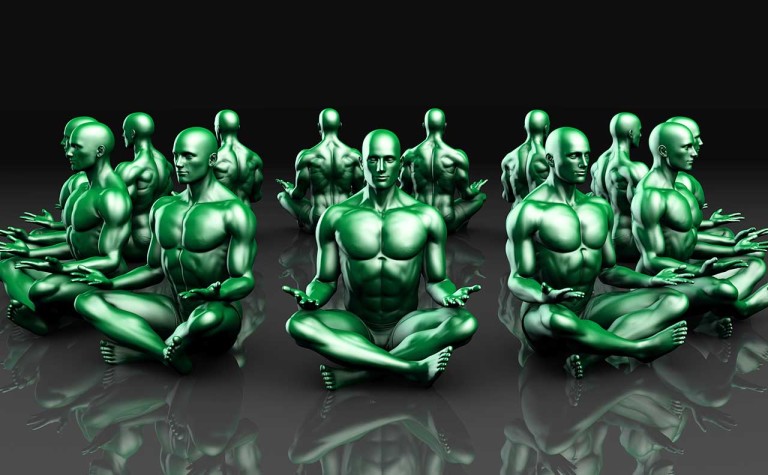
How to play the game of life
The system created by us (modern society) has conditioned humanity into thinking that we are less than we actually are.
Throughout time, we have allowed ourselves to become distracted from our true purpose of being. Belief systems have become set into place, which have conditioned us to accept far less than who we are truly capable of being. Ultimate truth and creative expression becomes suppressed, locked deep within the psyche, making way for ignorance and conformity, mutating humankind into nothing more than a herd.
Societies merge together into herds of all sizes, depending on the qualities and/or desires offered and the resources available, within a designated grazing area. We base this decision on what we think we want.
We bring with us (into the herd) our individual experience and aberration (emotional baggage) adding to its collective psyche. Rules for the herd are set into place, along with a system of exchange for goods and services (currency), and a game is born.
What is the object of this game? Well that’s your choice.
In this game there are two opposing teams, or forces (call them whatever you like). Each team consists of individuals playing the game for their own reasons. Each player chooses what effect (s)he wishes to have on the outcome of the game.
Some choose to display team colours proudly, where others may choose to purposefully wear the brand of the team they oppose, disorienting its players. A few may aspire to be the team captain while many change teams in the middle of the game, and some may not even realise which team they are playing for. Others may choose to migrate to an altogether different herd. Then there are those who choose not to participate at all. It is a most complicated game, isn’t it? I don’t think there is any need to go further – you get the picture.
We can play the game any way we like. It’s all a matter of choice. Our free will allows us to do whatever we think or feel we want to. Which team is the best? Which team is the good one? Which team is bad? Does it really matter?
Consider the following four questions that, when answered, may just place you on the winning side – and on the path to total empowerment:
Who am I?
What do I really want?
Which team do I want to play for?
How do I go about achieving what I want?
It is only when you begin to answer these questions that you start creating a clear path to your goal and move closer towards winning your game. The answers will come. Be absolutely certain of that!
Imagine everyone pursuing a path to empowerment. What effect do you feel this will have on the collective psyche of our planet?
Come on then!
Playing your own game
The questions above are simple to ask and slow to answer. Here is how I have seen people work through them, including myself.
Who am I? Not your job, your family role or your history, though all of those are clues. Start with what you cannot help doing. What do you notice that others miss? What do people come to you for without being asked? What would you still do if nobody paid or praised you for it? The answers to those three questions describe a person, and that person is usually more interesting than the one on the business card.
What do I really want? Most of the first answers are borrowed. The house, the title, the recognition: worth checking whether they are yours or the herd’s. A useful test is to imagine having the thing and then ask what it would give you. Keep asking until the answer stops changing. That final answer, usually something like freedom, connection, peace or the chance to make something, is the real want. The rest are strategies, and strategies can be swapped.
Which team do I want to play for? This is less about sides and more about values. Every group you belong to has unwritten rules about what is admired and what is tolerated. If you find yourself constantly translating your real views into something acceptable, you are wearing the wrong colours. It is possible to change teams without leaving the field, and often the change is simply to stop pretending.
How do I go about achieving what I want? Once the first three are answered, this one tends to answer itself in stages. The first step is always smaller than people expect and always available today. The piece on how to create a vision is one way to turn the answer into a plan.
The herd is not the enemy
I have been hard on the herd in this piece, so let me balance it. Belonging is a real need, and groups are where most good things get done. The problem is not the herd; it is grazing without noticing you have a choice. The player who knows who they are can join any team, contribute fully, and leave when the game changes, without losing themselves. That is what empowerment means in practice. It is not standing apart. It is standing in the middle of it all, awake.
A question to sit with
If you answered the four questions honestly and acted on the answers for a year, what would be different? Write it down. Then look at the first thing on the list and ask what stops you doing it this week. That is where the game begins.